The Itinerary That Leaves No Room for the Day
Build a rural day-out itinerary around one anchor, clear travel choices, and optional stops you can drop without turning the day into a race.
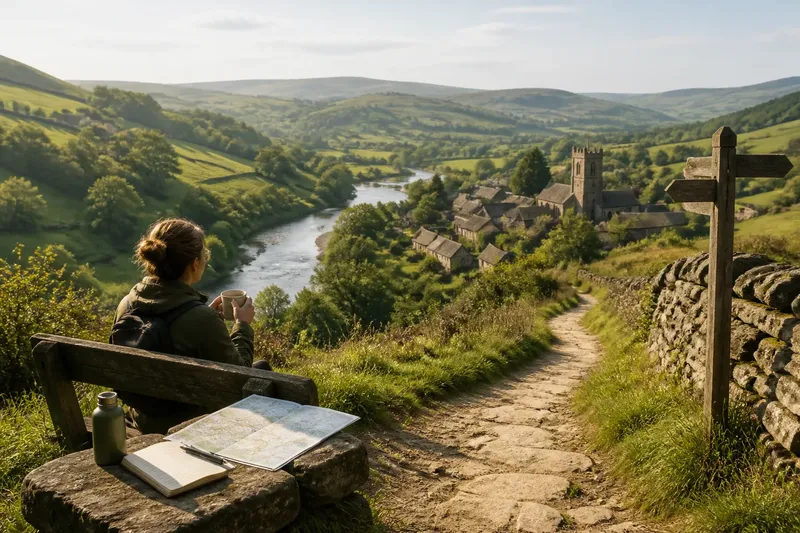
A rural day-out itinerary is easier to use when it separates what must happen from what can be left out. Pick one purpose for the day, then make each other choice earn its place by helping you reach it or enjoy the route.
That is different from planning around daylight or trying to fit every nearby attraction into a visit. The useful question is whether a stop supports the day you want, not whether it is close enough to add to a map.
Give the day one clear purpose
Choose a specific reason for going: following a riverside path, reaching a particular village, or spending time in a stretch of open countryside. Use that purpose to decide where to start and what information you need before leaving.
Then sort the rest into three groups: necessary details, helpful additions and easy omissions. A bus connection or a booked lunch may shape the route; a second viewpoint may add little if it pulls you away from the experience you chose.
Decide which stops deserve a place
For each possible stop, ask whether it contributes something distinct, fits the route without creating a detour, and remains worthwhile if you arrive tired or the weather changes. Keep it only if the answer matters to this particular day.
- Check the route connection: If the stop lies naturally along your walk or journey, keep it as an option; if it requires backtracking, leave it out unless it is a main reason for going.
- Check access information: If the route or site is currently accessible, retain it; if signs or operator information indicate a closure or restriction, choose a suitable alternative or skip it.
- Check opening details: If a café, garden or other venue is open when you expect to arrive, it can remain a flexible stop; if its hours do not fit, pack another suitable option or remove it.
- Check the effort involved: If the approach feels manageable for your group and the conditions, continue with the option; if it feels too demanding, shorten the route or return to the starting point.
- Check whether it adds a different experience: If the stop offers something distinct from your anchor, keep it in reserve; if it repeats the same view or activity, drop it.
- Check your remaining energy at a natural pause: If you still feel comfortable, add one optional stop; if not, head back or take a rest instead.
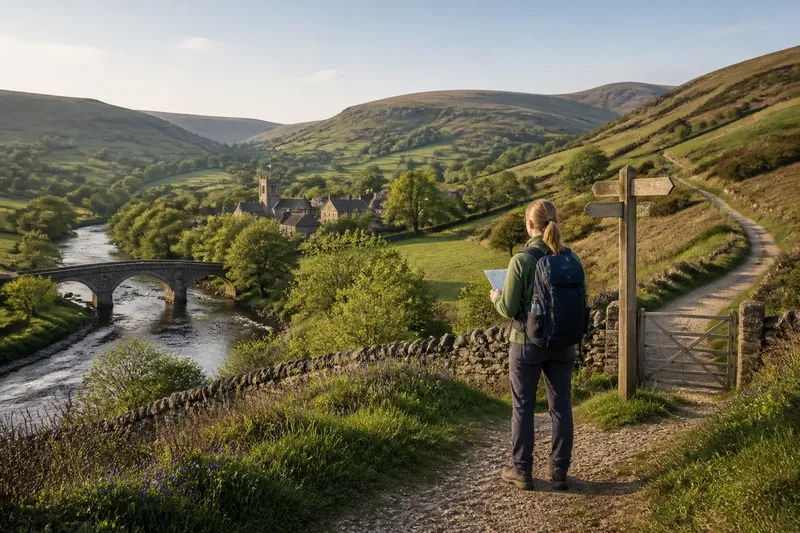
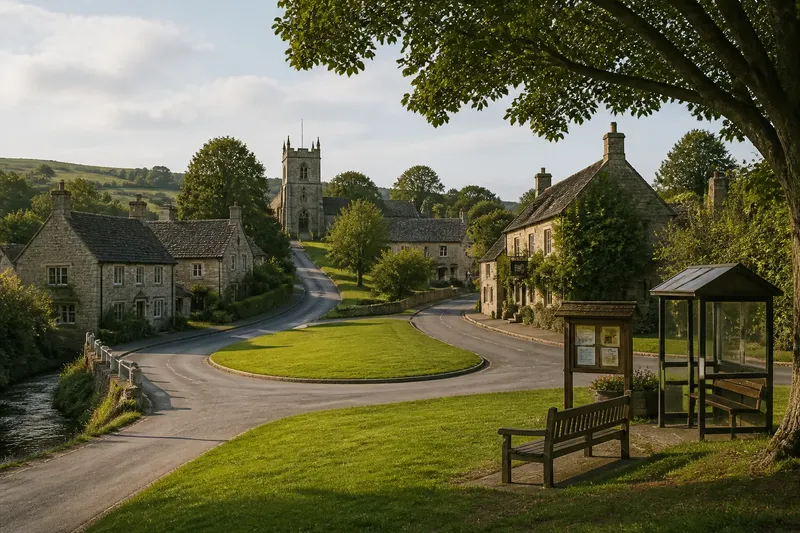
For example, imagine you are planning an invented day that begins at a village car park, follows a marked path to a riverside viewpoint, and returns through the village. You note a nearby church, a second viewpoint reached by a separate lane, and a village café; after checking current access and opening information, you keep the café as an option, drop the second viewpoint because it repeats the walk’s main view, and leave the church out because it adds backtracking. The resulting plan has one clear purpose and a convenient place to pause, without treating every nearby place as an obligation.
Build the route from fixed details outward
Start with the details that are hard to change: a bus departure, a reservation, a permitted parking location or a venue’s opening arrangements. Check current information from the operator or local authority, then choose a starting point and route that fit those commitments.
Keep other choices loose. A paper map or saved offline map can help with orientation where phone coverage is limited, while signs on the ground and local guidance should inform decisions about access and restrictions.
Leave choices for useful moments
Do not try to settle every decision at home. Choose a few moments when you can reassess: before starting the walk, at a natural rest point, and before adding anything on the way back.
At each pause, compare the route you planned with the conditions you can see. If the path is muddy or exposed, turn back or choose a suitable alternative; if the route feels comfortable and you have time, consider one optional stop. Keep safety concerns ahead of completing the plan, and seek qualified advice when a decision requires it.
What should stay flexible?
Should every stop be listed in the plan?
No. Write down the anchor and the practical details needed to reach it, then keep only a few worthwhile options. Leave out places that add backtracking, repeat the same experience or depend on uncertain access.
What belongs in a short day-out plan?
Note the starting point, the main route, any fixed transport or booking detail, and the places you are willing to omit. Save a map and relevant access or opening information where you can consult them easily.
How should I handle a closed venue?
Check current opening information before setting out if the venue matters to your plan. If it is closed when you arrive, continue with the anchor, use a suitable alternative already on your route, or head back without trying to replace it with a string of extra stops.
When should I drop an optional stop?
Drop it if reaching it would make you hurry, retrace your route unnecessarily, or continue when conditions do not feel suitable. A direct return is a complete choice when it serves the purpose of the day.
Keep a rural day-out itinerary easy to change
Write your rural day-out itinerary in a few clear lines: its purpose, the route or starting point, any fixed commitment, and the optional places you can leave out. That gives you enough structure to make sound decisions without turning every nearby attraction into a deadline.
Before you go, make sure you know how to return to your starting point and which details need checking on the day. A short, usable plan leaves room to respond to the countryside instead of spending the outing managing a list.